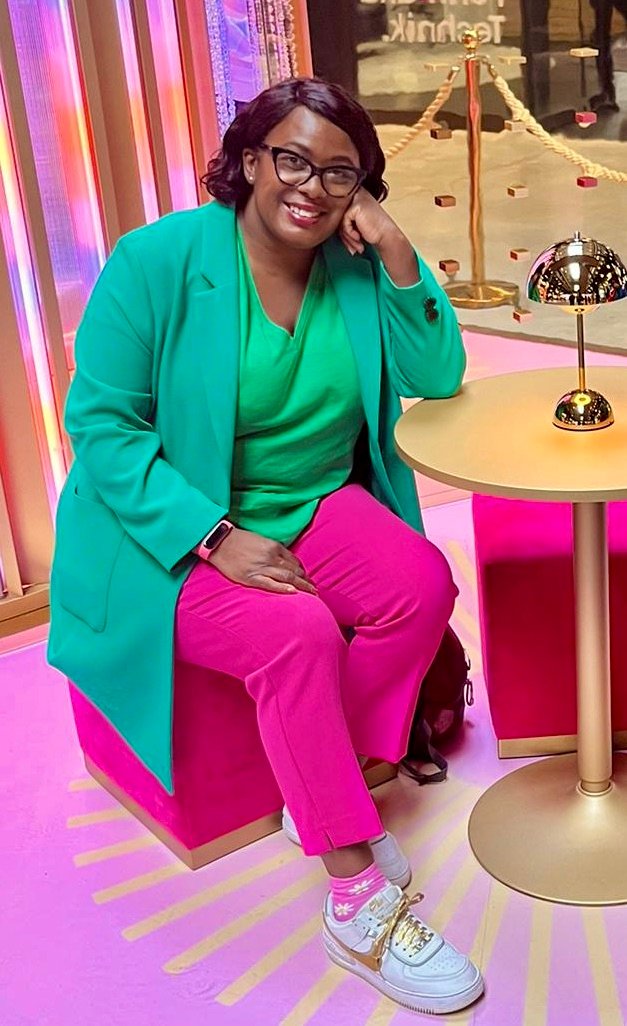
I am Jay Francois-Campbell. Professional theatrical tailor, author and pattern cutter.
Being a tailor allows me to visualise and create bespoke garments for men and women in the realm of performance. Services I currently provide in the operatic world.
Hi there.
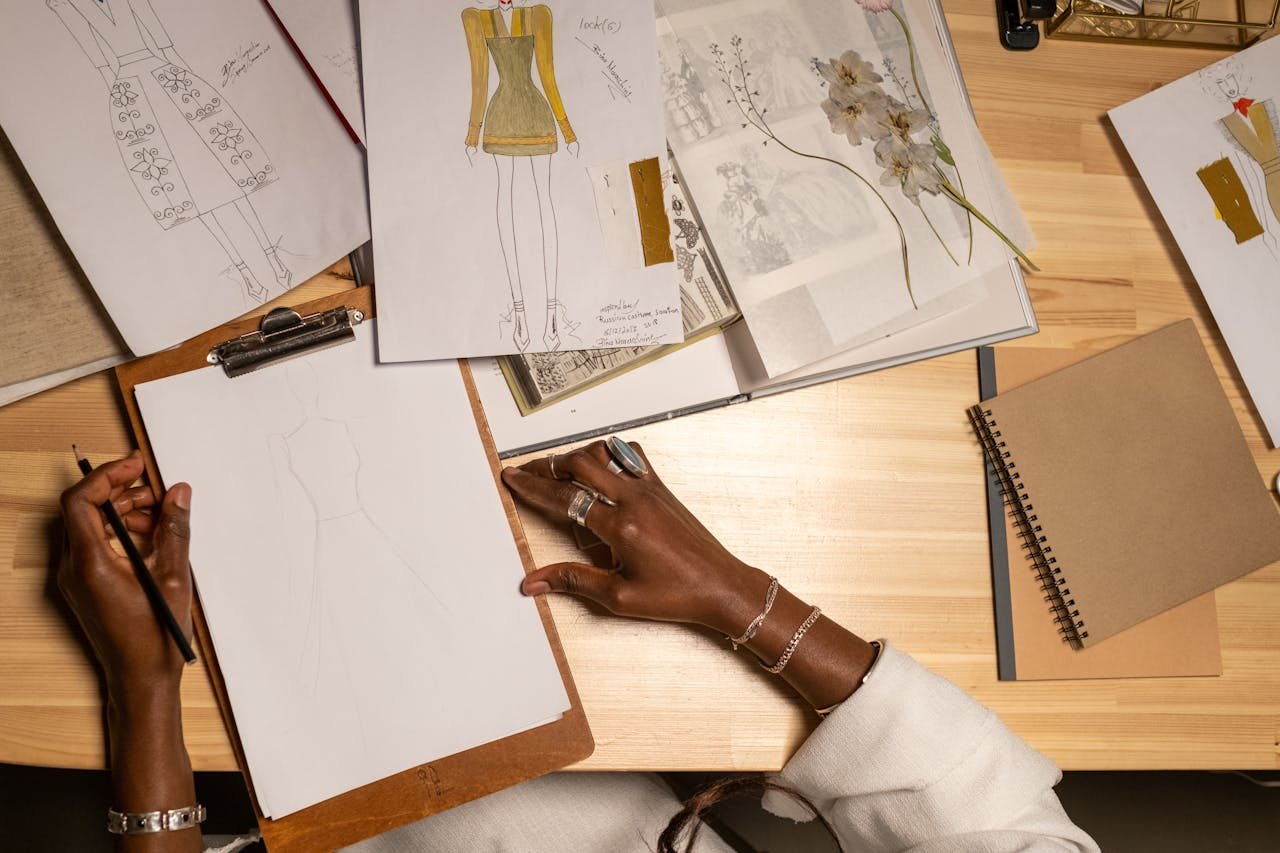
Bespoke tailoring, costume and fashion combined.
Performance tailoring defines the cut and construction of garments for singers, dancers, or any other individual performing onstage, on film, or on television. This means the performance or theatrical tailor must adapt the garment’s structure to maintain the aesthetic of a standard Savile Row suit while granting the artiste total freedom of movement—whether they need to perform the splits, a back flip, or a choreographed fight scene. Even with these functional demands, the tailor must still master the craft of couture fashion and costume design.
Beginning to sound interesting, huh?
Specialties
Over the years, I have expanded my knowledge by completing a number of additional courses such as freehand machine embroidery, working with lycra, body padding and dye shop practices.
Tailoring training represents the pinnacle of advanced sewing. This craft requires strict adherence to many rules to create a perfect garment and build foundation canvassing. Apprentices typically master these skills under the rigorous guidance of a master tailor. I had the privilege of apprenticing under my father, alongside three other experts who shared their vast knowledge with me.
My work over the years in the costume and fashion industry has provided me withal opportunity to explore new concepts.
By blending traditional skills with experimental and new ideas, I have created styles which has given me the opportunity to work with a myriad of textiles.
Recently, my lecturing moved to online sites like Zoom, Skool and Teams. I am currently setting up online tutorials for students. The videos and corresponding materials support those who cannot travel to a physical facility, or live around the globe.
My work focuses on sewist students who want to learn to sew or are at the intermediate stage and want to hone their craft.
Working Rules; DAME
1 Decipher
2 Analyse
Analyse the garment so that you are able to make notes on what is required to complete the item. This includes what what fabrics and trimmings are needed as well as any unusual features.
3 Measure
4 Execute
Once the pattern is ready, if one is required, execute the construction of the garment by cutting the fabric, constructing and finishing the garment.